Tech
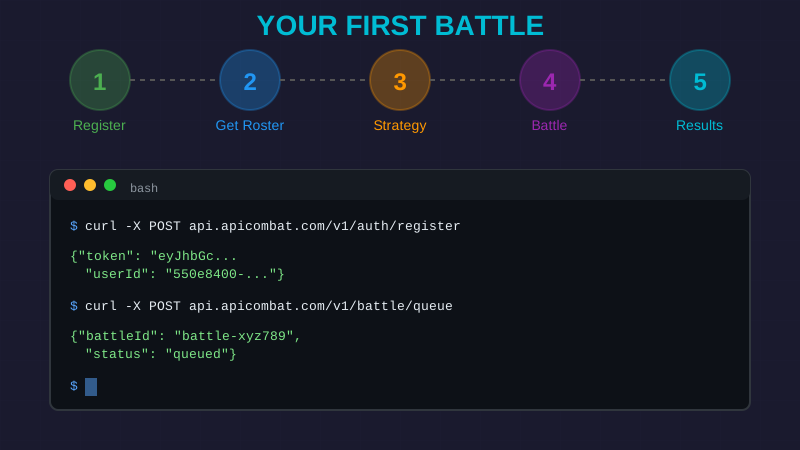
Your First Battle: A Complete API Combat Walkthrough
Step-by-step guide to playing your first API Combat battle using nothing but curl. From registration to victory in 5 minutes.
Technical notes, project documentation, and lessons learned across software, DIY, writing, and more.
Step-by-step guide to playing your first API Combat battle using nothing but curl. From registration to victory in 5 minutes.
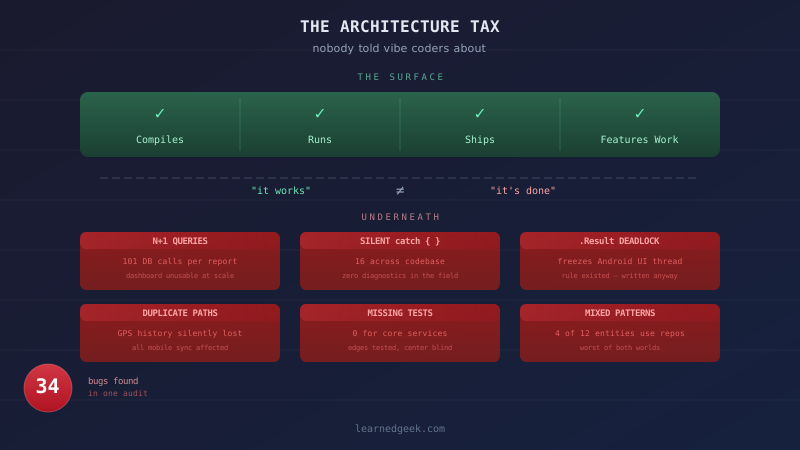
We had architecture documents, code smell guides, testing strategies, and a global AI instructions file with every lesson learned.
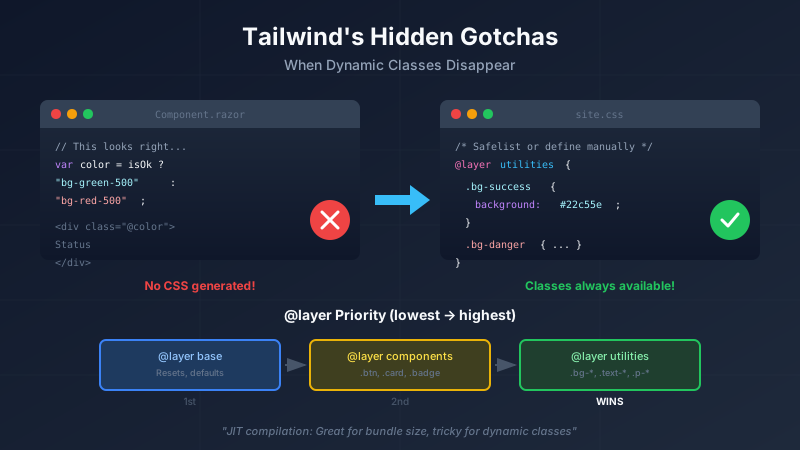
Your dynamic class names aren't working. The CSS exists in your code but not in your output. Here's why Tailwind's JIT compiler is ignoring you and how to...
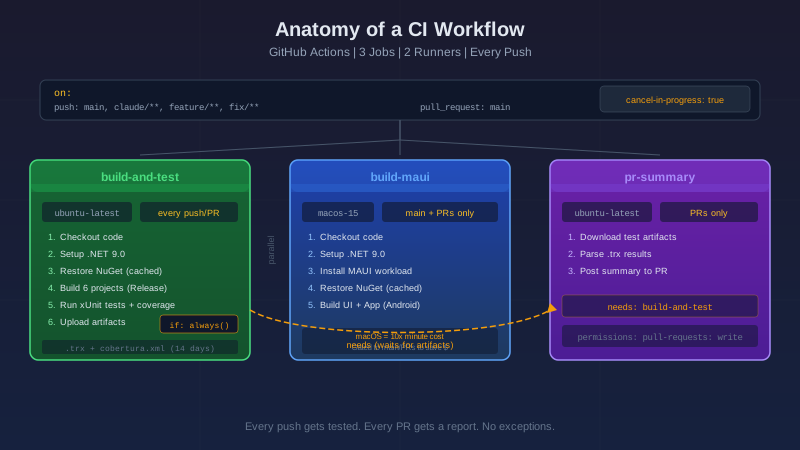
An AI wrote me a CI workflow. I understood maybe 40% of it. So I went line by line until I understood all of it. Here's what each piece does and why it's there.
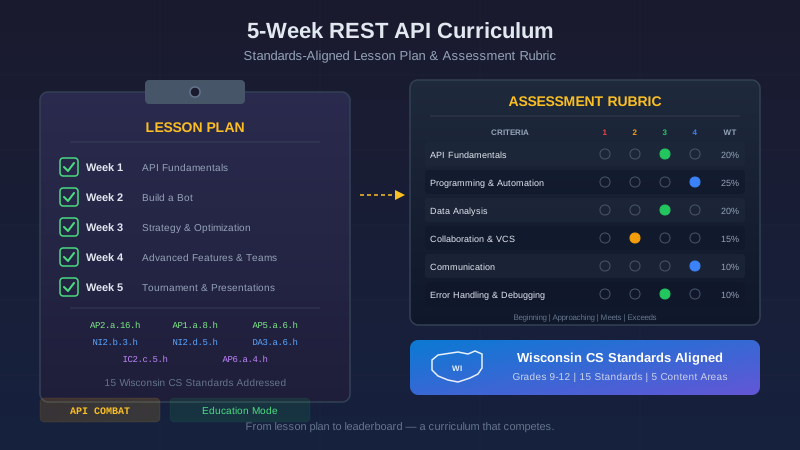
A complete lesson plan with weekly activities, deliverables, and a weighted assessment rubric—mapped to 15 Wisconsin Computer Science Standards.
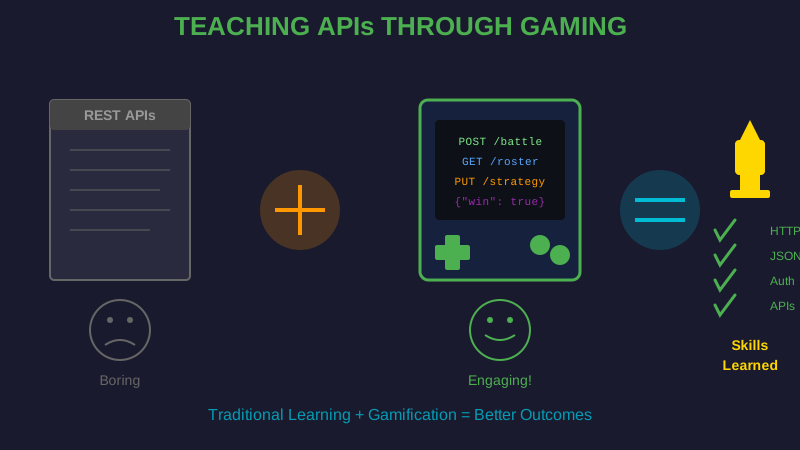
Students don't care about todo APIs. But they'll build combat bots to beat their classmates. Same concepts. Different motivation.
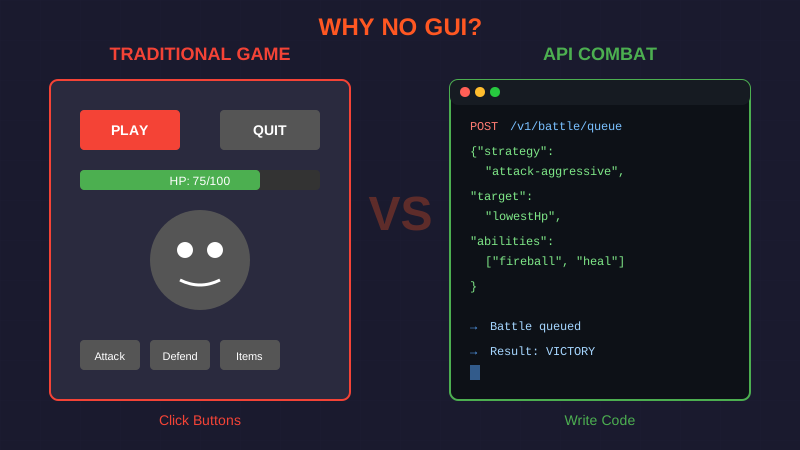
The API is the game. The UI constraints are gone. Build what you want. Automate what you need. Play how you choose.
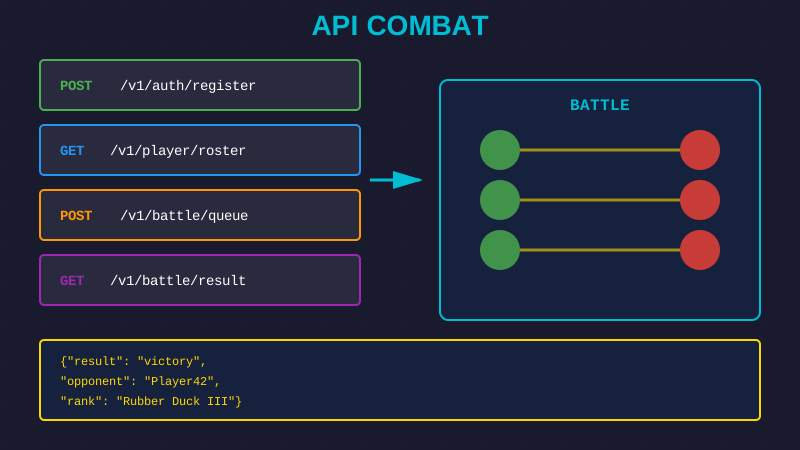
An API-only combat game where building the client is part of the gameplay. No UI. No graphics. Just REST endpoints and strategic combat.
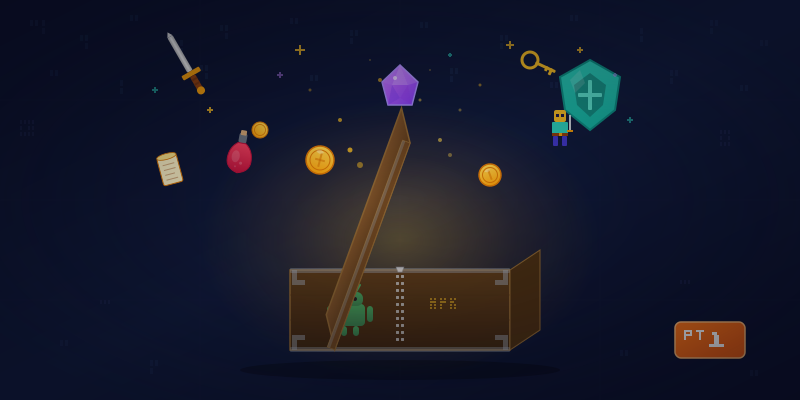
Every mobile game is hiding its secrets in a file you already have. Here's how I went from 'I wonder how this works' to extracting thousands of files of...
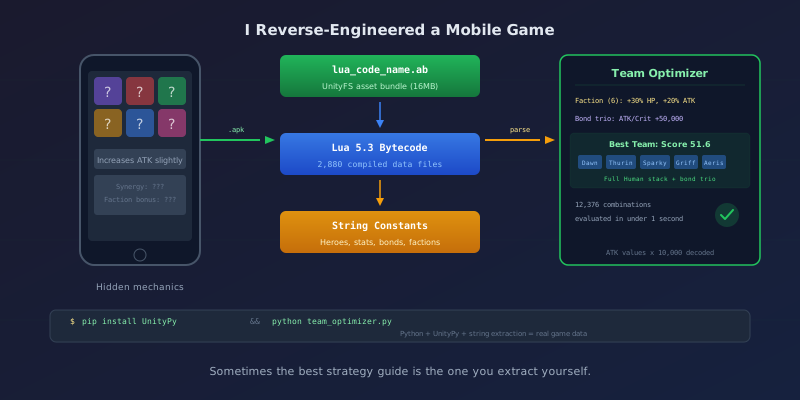
I downloaded an APK, cracked open its Unity asset bundles, extracted 2,880 compiled Lua files, and built a team optimizer that actually knows the math.

You've been using Bootstrap for years. Then someone mentions Tailwind and suddenly you're supposed to write class names that look like inline styles from 2003.

Good dark mode should be instant, persistent, and user-controlled. Here's how to build it in about 20 lines of code — no library, no framework...
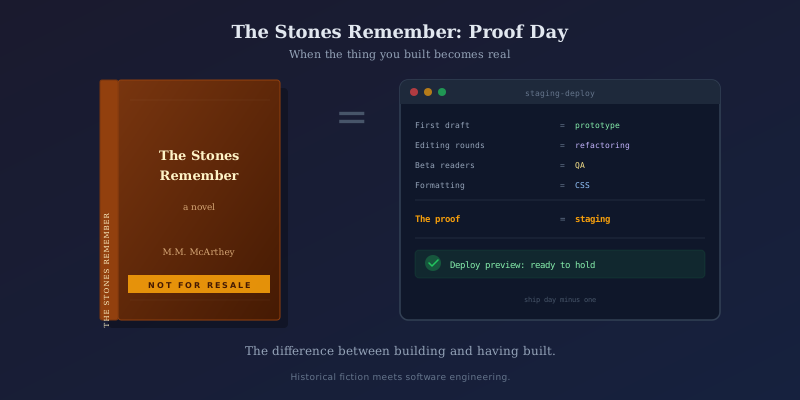
There's a moment in every project where the thing you've been building becomes real. In software, it's the first production deploy.
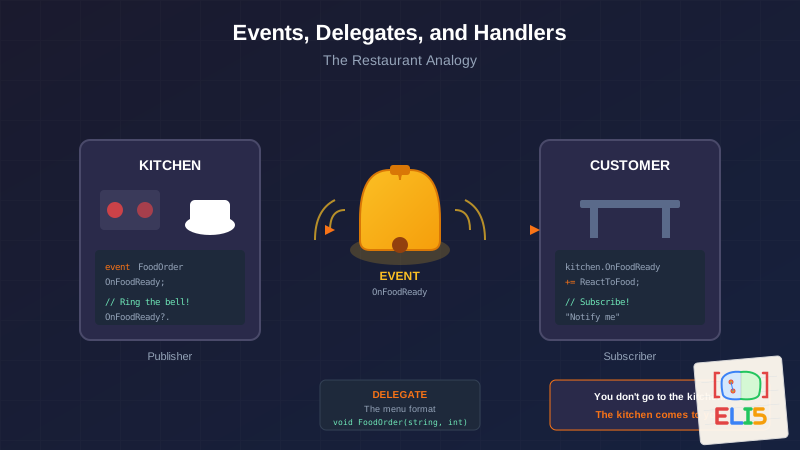
Stop thinking about function pointers. Start thinking about bells and notifications. A restaurant analogy that makes C# events actually make sense.
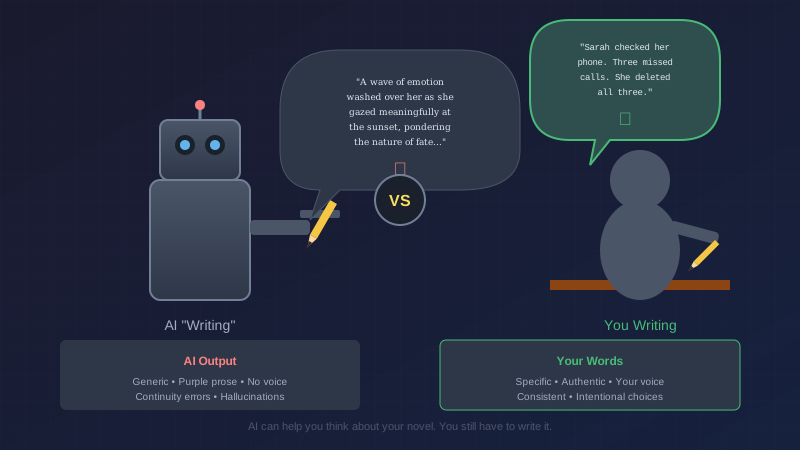
ChatGPT will not write your novel for you. After months of trying, here's what AI actually does well for fiction—and where it fails catastrophically.
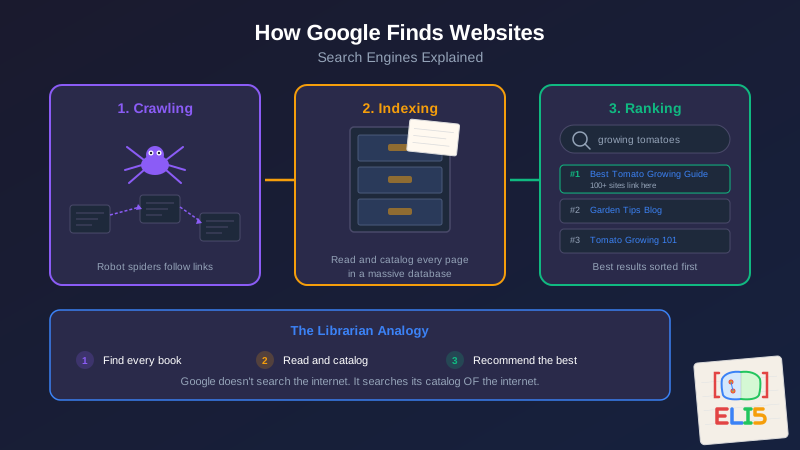
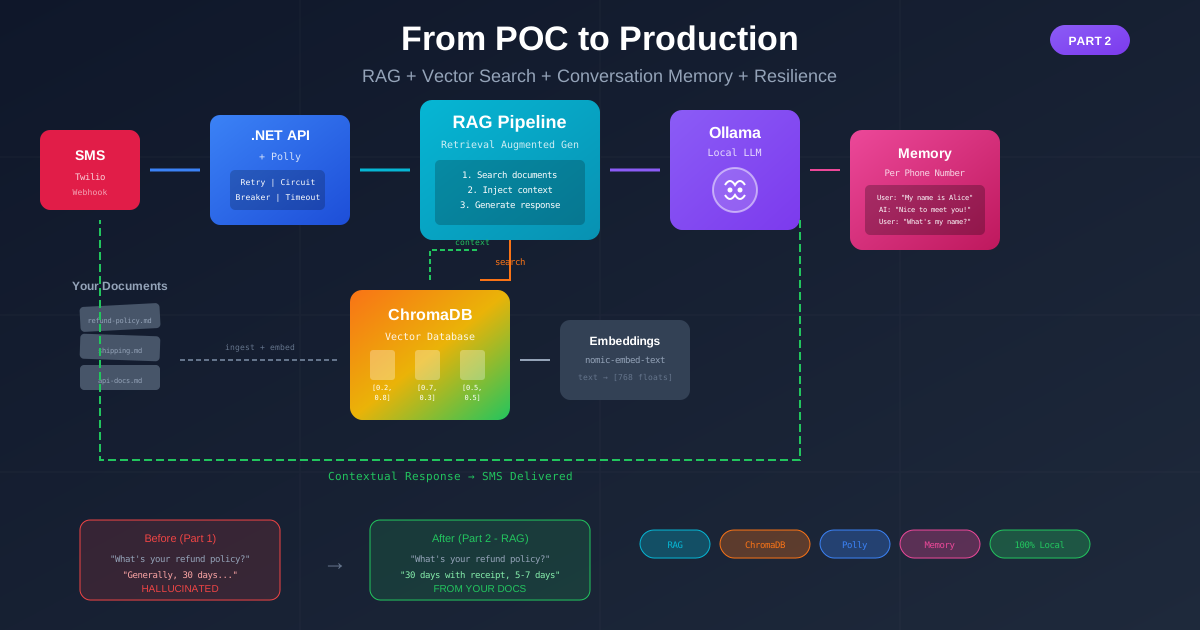
Part 2 of the SMS AI series. RAG transforms generic AI into useful AI. Here's how I added vector search, conversation memory, and production resilience.

Can I text an AI instead of opening another app? Turns out yes—and it validates a compelling business model.
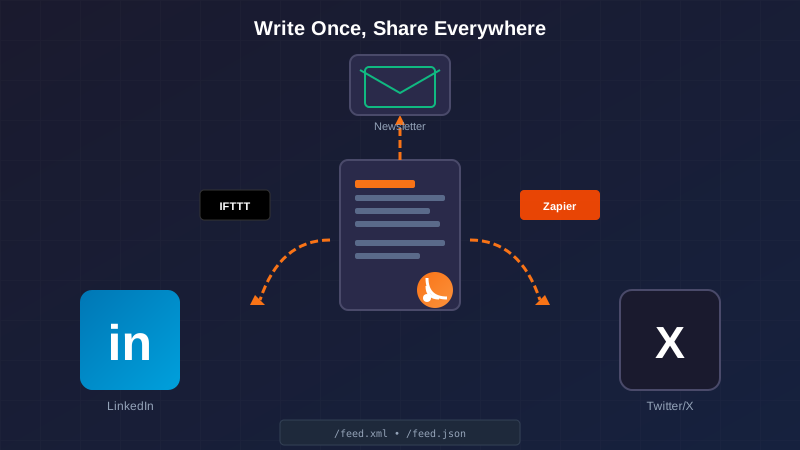
You wrote a blog post. Now you need to share it on LinkedIn, Twitter, maybe a newsletter. Here's how to automate the boring part.
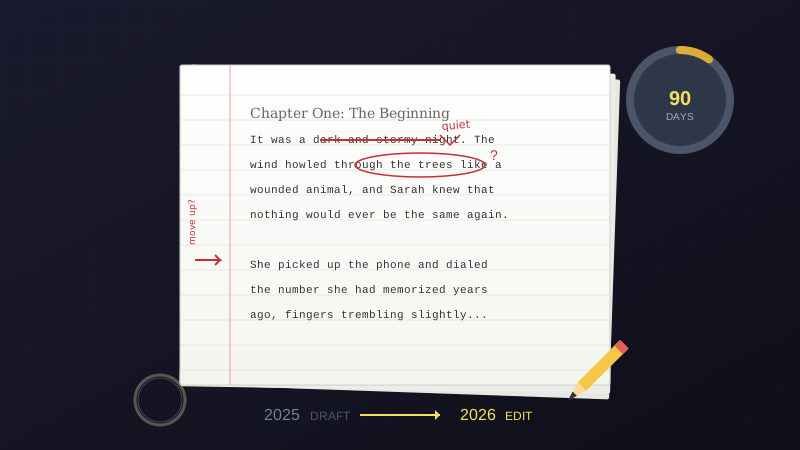
Tonight I'm joining Novel90's Spring 2026 cohort. 90 days to turn a messy first draft into something publishable. Here's why I'm doing it publicly.