When I started this novel, I had a concept: a man possessed by demonic forces representing judgment and mercy. Simple enough, right? Wrong.
The Problem with Chatty Demons
My early drafts felt mechanical. The supernatural elements were too present, too explanatory. I'd write scenes like:
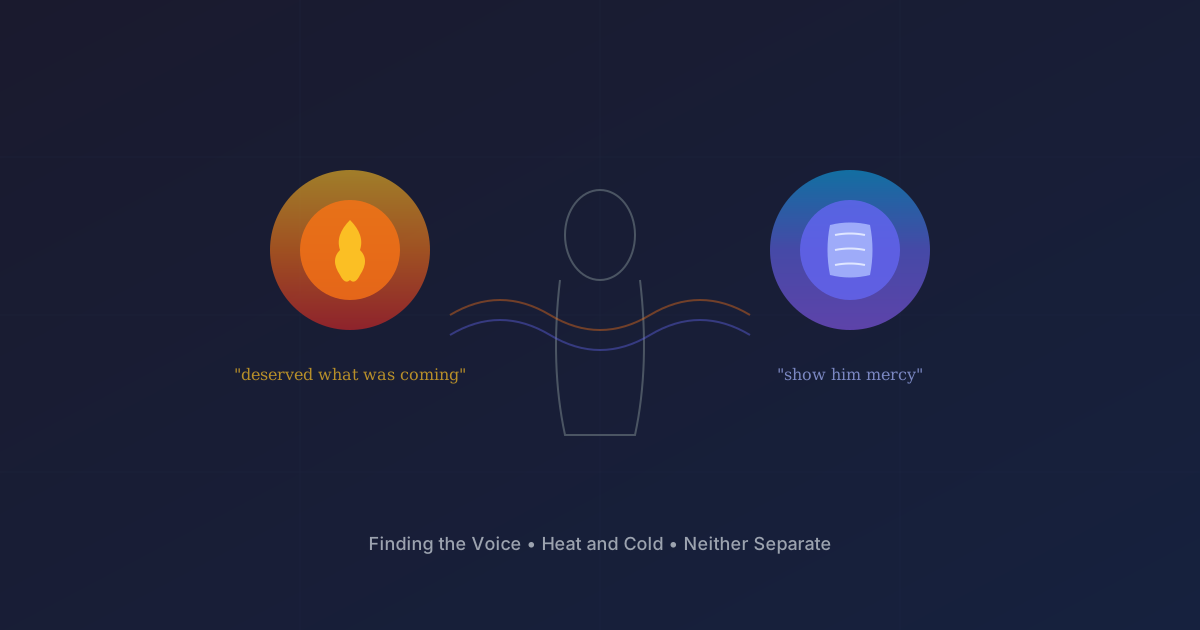
The ember whispered: "You know what he deserves."
The linen countered: "Show him mercy instead."
It felt like a Marvel movie when I wanted Cormac McCarthy. My critique partners were kind but clear: "This reads like Venom."
The Breakthrough
The solution came from asking: What are these forces actually representing?
They're not separate entities. They're universal human experiences:
- That spike of righteous anger when someone wrongs you
- That cooling moment of compassion when you see someone's pain
- The internal battle between wanting to judge and wanting to forgive
We've ALL felt these. The possession just makes them impossible to ignore.
The Technical Change
Instead of dialogue from forces, I wrote physical sensation paired with influenced thought:
Heat spread through his chest. He'd taken Declan's job—that was fact. Had known it would hurt him. Had done it anyway. The thought came with the heat, indistinguishable from it: deserved what was coming. Earned it.
Notice the difference? No quotation marks. No separate voice. Just Seamus experiencing his own anger, amplified by supernatural influence.
Why This Matters for Any Writer
Whether you're writing supernatural fiction, psychological thrillers, or literary realism, the principle is the same: ground the impossible in the universal.
Readers may not know what it's like to be possessed by a demon, but they DO know what it feels like when anger takes over, when you say things you'll regret, when one part of you wants mercy and another wants judgment.
Start there. Make the impossible feel inevitable.
Lesson learned: The best supernatural fiction amplifies human experience rather than replacing it. Your readers' own internal struggles are your foundation—build from there.
This post is part of a series about writing my novel. See also: Show, Don't Tell (Even When It Hurts) on trusting your readers, and Celtic Gods Are Messy on building moral complexity.